


About Hansard Files
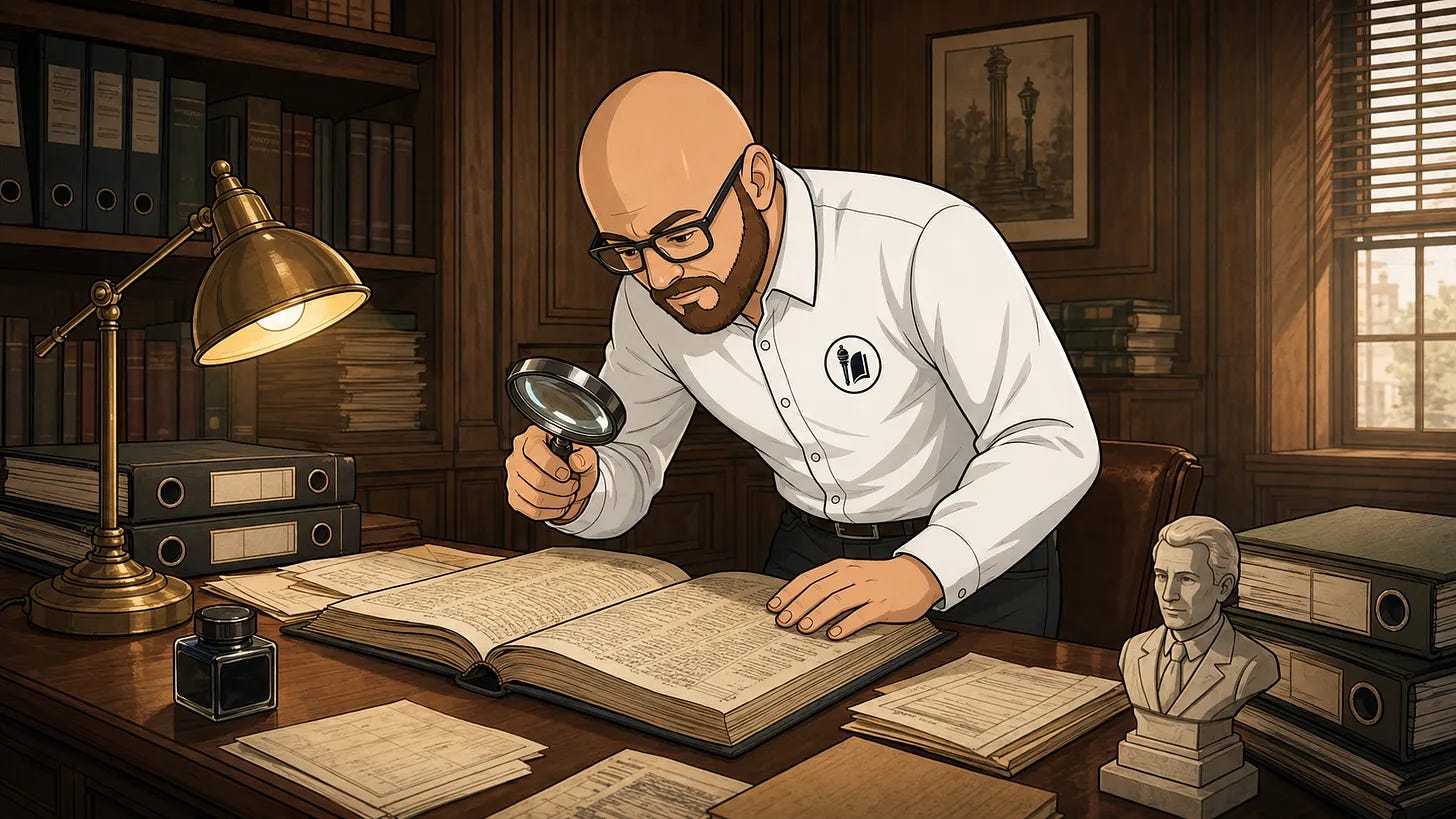
We Read the Record. You Read the Story.
Hansard Files is independent Canadian accountability journalism built from primary parliamentary and government records.
Hansard Files begins one step earlier than most political coverage: with the source itself. That may be a committee transcript, an audit, a regulation, a spending document, or an archival file.
My professional work has trained me to read technical documents closely, especially where a definition, exclusion, or buried clause changes the result. I applied that same discipline to Canadian parliamentary records.
Each feature is reported as narrative journalism. A Sources section identifies the records behind the reporting and provides the details needed to locate them. Every feature is free to read. Supporting memberships fund the hours spent reading, checking, and writing so the archive can remain open. Paid does not unlock secret posts. It funds capacity.
Three reported features run each week.
The Paper Trail follows the current record: audits, the Canada Gazette, departmental reports, and active committee evidence.
From the Files opens the archive: declassified reports, royal commissions, and the records that explain how Canada got here.
Hansard Files is written for readers who want to understand what government records actually show, including engaged Canadians, journalists, researchers, parliamentary staff, and policy professionals.
How the reporting is sourced:
New here?
Free: every story by email. The archive stays open.
Paid: fund the hours in the record so the work stays free for everyone.
Mike B., publisher and writer
Hansard Files
