


The Standing Committee on Industry and Technology is one of the House of Commons’ designated workhorses. Its mandate is to scrutinize policy and legislation affecting the core of our economy. When its members gathered for their second meeting on September 17, 2025, the agenda suggested a deep engagement with pressing national issues. Yet, if you read the official transcript of that meeting, you find something quite different. You find a masterclass in how the important work of Parliament often gets tangled in a thicket of procedural maneuvering. To truly understand our politics, you need to look past the final votes and study the process, because the process tells the real story.
First, We Argue About What to Argue About
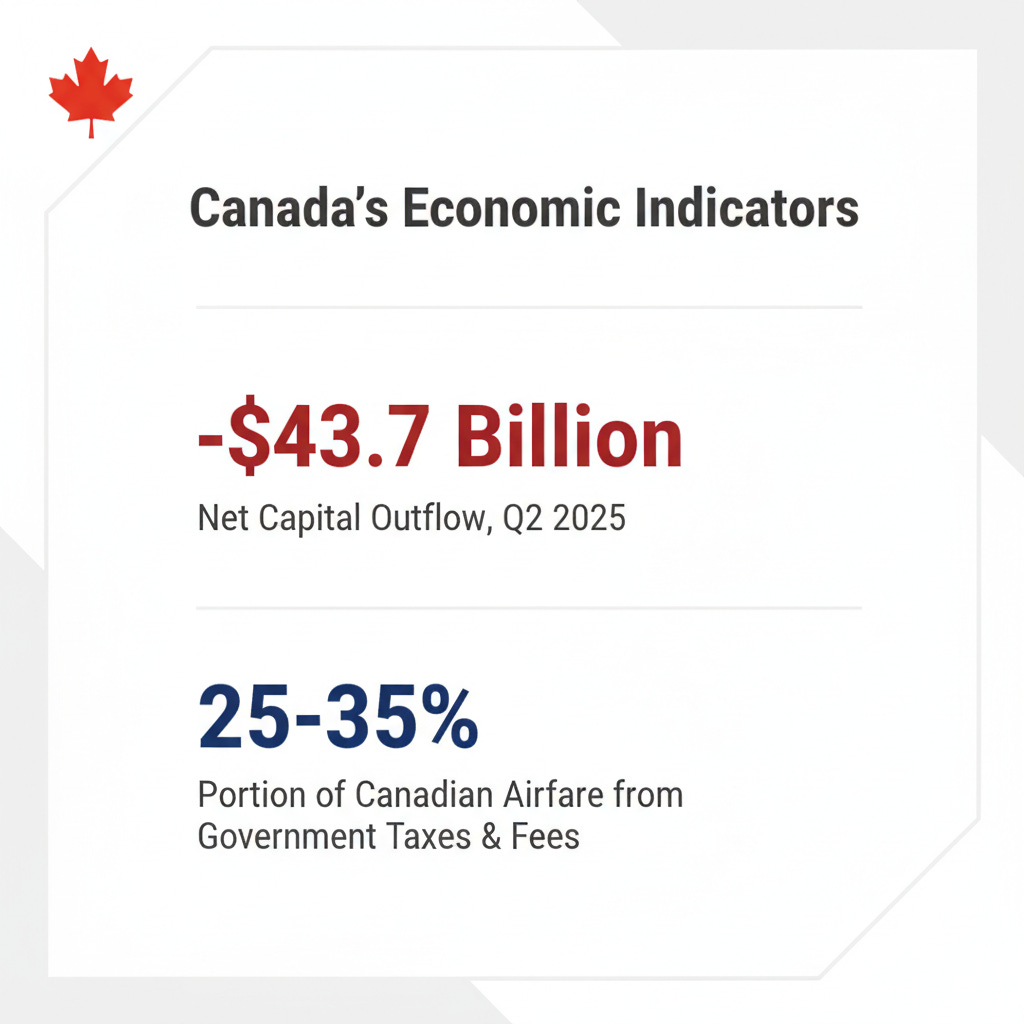
The meeting began with two major study proposals. The Liberals, through MP Karim Bardeesy, put forward a motion for an ambitious study on creating a national defence industrial strategy, covering everything from aerospace to cybersecurity. In response, the Conservatives signalled their priority was a study on Canada’s declining productivity and the outflow of capital investment.
Here is the detail I find most revealing. The debate that followed was not about the merits of a defence strategy versus a productivity study. Instead, it devolved into a negotiation about scheduling. Conservative MP Raquel Dancho proposed what she framed as a compromise: conduct both studies concurrently.
“A reasonable compromise would be... that we have the studies concurrently, as I mentioned in the amendment: that one goes one day, perhaps on Monday, and the other goes on Wednesday, that we have an equal number of meetings and that it continues for six weeks. Then it’s fair. It’s a compromise on both sides and everybody wins a little.”
This points to a critical question. Is the goal to produce the most coherent, focused analysis for Canadians, or is it to ensure each party “wins a little”? Liberal MP Dominique O’Rourke raised a practical objection, expressing concern that juggling two massive topics would prevent the committee from developing a holistic view of either. The result of this impasse? The entire motion on a defence industrial strategy was withdrawn. A topic of national importance was shelved, not because it lacked merit, but because the parties could not agree on its position in the queue.
Clearing the Procedural Underbrush
This dynamic is best understood through an analogy: the Procedural Underbrush. Imagine the important work of a parliamentary committee is a trail leading to a destination, for example, a set of thoughtful policy recommendations. For the public, the goal is to see progress down that trail. The transcript shows that, for the politicians, the first task is to clear the thick underbrush obscuring the path.
This underbrush consists of motions, amendments, sub-amendments, and points of order. It includes arguments over scheduling, the wording of clauses, and the timing of witness appearances. Clearing it consumes valuable time and energy. The September 17th meeting demonstrates this perfectly. The first hour, reserved for discussing future business, was almost entirely spent hacking away at this underbrush. The substantive hike down the policy trail had to wait.
The Motion Is Fine, The Preamble Is Not
After the defence study was abandoned, the committee took up the Conservative motion to study productivity and capital outflow. Here again, the conflict was not about the study itself. All parties quickly agreed on the need for it. The battle was over the preamble, the two introductory clauses that framed the problem.
“Given that Canada’s longstanding weak productivity has been a strain on government finances and affordability; and Given the unprecedented outflow of capital investment from Canada,”
The Liberals moved to delete these two clauses. The Conservative response was pure political theatre. MP Dancho claimed the language on weak productivity was taken directly from a mandate letter issued by “Prime Minister Carney,” accusing the Liberals of trying to strike their own leader’s words from a Conservative motion. This turned a policy discussion into a messaging war. The study’s substance was secondary to the political points scored by debating its framing.
Ultimately, the committee agreed to the study only after the preamble was removed. A study on Canada’s economic challenges was approved, but only after being stripped of the explicit, factual context that defined those challenges. The path was cleared, but not before the trailhead markers were removed.
What Are Committees For?
This brings us to a foundational principle of governance. Parliamentary committees are designed to be forums for detailed, evidence-based work, operating at a remove from the spectacle of the daily Question Period. They are where Members of Parliament are supposed to collaborate, hear from experts, and craft better policy.
The industry committee transcript shows how this ideal is often compromised. The proceedings felt less like a workshop and more like an extension of the partisan battlefield. The incentive structure seems to reward procedural wins and clever messaging over collaborative problem-solving. A comment from Bloc Québécois MP Gabriel Ste-Marie perfectly captured this dynamic. When explaining why he would vote against a sub-amendment he otherwise supported in principle, he stated his goal was “to ensure that the different parties remain on good terms.” Preserving procedural harmony, it seems, can take precedence over the substance of a vote.
The Work Before the Work
This analysis of a single committee meeting does not suggest our system is irredeemably broken. It reveals a system where a tremendous amount of energy is expended on “the work before the work.” This procedural layer, largely invisible to the public, is where agendas are controlled, narratives are shaped, and partisan advantages are won or lost. Understanding this complex dance is essential if you want to move beyond simplistic media narratives and grasp the reality of how governance functions. True civic literacy is not just knowing what your government does, but understanding how it decides what to do in the first place.
In Other News...
Beyond this deep dive, you can find more analysis and commentary on the On Hansard site.


Sources:
Standing Committee on Industry and Technology. (2025, September 17). Evidence (No. 002, 45th Parliament, 1st Session). House of Commons.