


Most people do not have time to follow the daily proceedings of the House of Commons. The debates feel distant from the realities of work, family, and paying the bills. Behind the political theatre, however, members of Parliament introduce and debate proposals that have the potential to reshape fundamental aspects of your life. These are not abstract theories. They are tangible ideas about how the country should handle crime, support families, and regulate the products you buy.
A look at a recent session reveals a wide spectrum of issues on the table. Members from all parties brought forward private initiatives and opposition motions aimed at tackling everything from the price of groceries to the rules governing divorce and the treatment of violent offenders.
These proposals offer a unique window into the solutions being considered for the country's most pressing problems. Here are seven of the most surprising and impactful ideas that were debated on the floor of your House of Commons.
A "Three Strikes" Law for Repeat Violent Offenders is on the Table
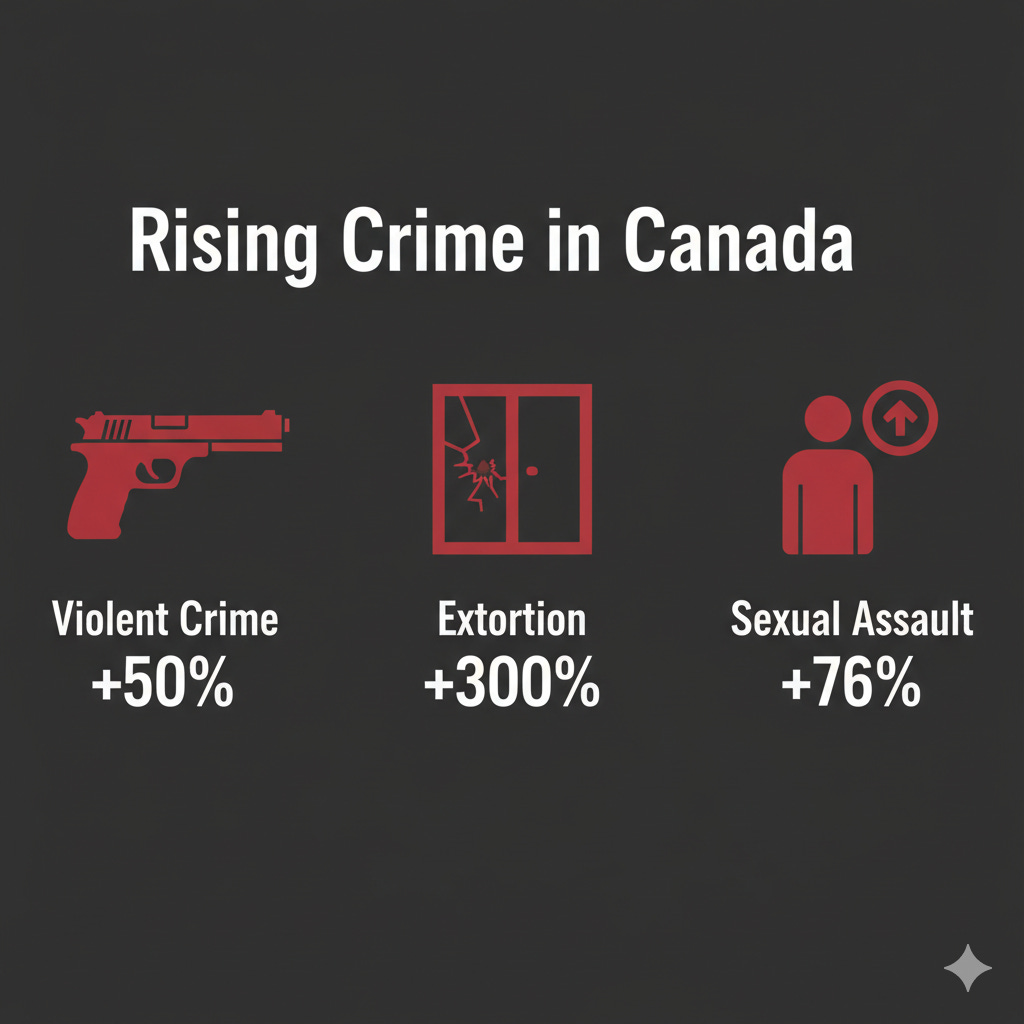
The central debate of the day focused on a Conservative motion to address rising crime rates. The motion calls on the government to replace its current bail laws with a "Three Strikes and You're Out" law.
This proposal targets criminals convicted of three separate serious violent offences. Under the proposed law, these individuals would no longer be eligible for bail, probation, parole, or house arrest. Instead, they would face a mandatory minimum prison sentence of 10 years and be designated as dangerous offenders, meaning they could not be released until they prove they are no longer a threat to the public.
Supporters argue this is a common-sense response to a crisis. They point to government statistics showing a significant increase in violent crime since 2015 and argue that the current "catch-and-release" system, stemming from Liberal laws like Bill C-5 and Bill C-75, has failed. They cite high-profile cases of individuals with dozens of prior convictions committing horrific acts while out on release.
"For 10 long years, the Liberal government has put the interests of criminals ahead of the safety and dignity of victims. It has prioritized the rights of repeat offenders over the safety of law-abiding Canadians." – Larry Brock, Member of Parliament
The proposal faces opposition from other parties. The governing Liberals call the idea a "failed American policy" and argue it is not an evidence-based solution. They state their commitment to bringing forward their own bail reform legislation this fall, based on consultations with provinces and law enforcement. The NDP and Bloc Québécois argue the "three strikes" approach is unconstitutional, would disproportionately affect Indigenous and racialized communities, and fails to address the root causes of crime, such as poverty, mental health issues, and addiction. They advocate for more investment in rehabilitation and social supports.
A Simple Change Could Relieve Grieving Parents on Leave
Each year in Canada, approximately 1,600 families face the death of a child while they are on parental leave. A new private member's bill, known as "Evan's Law," seeks to fix what its sponsor calls a "cruel and unnecessary burden" in the current system.
Under existing Employment Insurance rules, a family in this situation technically no longer qualifies for parental benefits. This means that unless they contact Service Canada on the day their child passes away, they begin to accumulate a debt to the government which the Canada Revenue Agency must eventually claw back. They can switch to sickness benefits, but this requires them to call Service Canada every two weeks to confirm they still need the benefit because of their loss
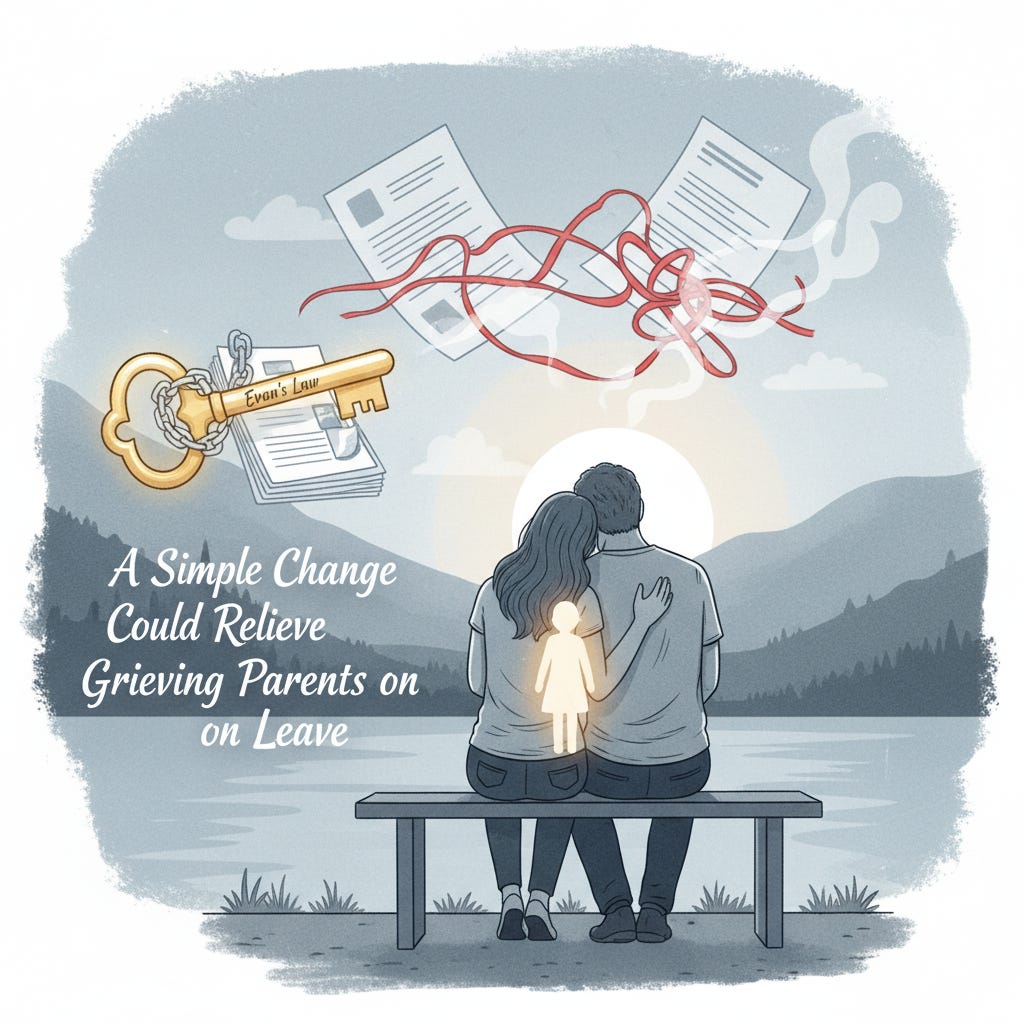
Bill C-222 proposes an elegant solution. It would amend the law to state that if a person qualifies for parental leave and their child passes away, they simply continue to qualify for the benefit. The bill’s sponsor argues there is no incremental cost, as parental benefits are nearly identical to sickness benefits. In fact, he suggests the change would create cost savings by significantly reducing administrative costs and red tape.
Your Children Could Get a Voice in Divorce Proceedings
Another proposed amendment to federal law aims to change how the justice system treats children during divorce proceedings. The "Keeping Children Safe Act" (Bill C-223) was introduced to give children a greater voice and to shift the focus of family courts.
The bill’s sponsor argues that the current system often treats children like "property that must be split equally between parties in a divorce." The legislation seeks to change this premise. It would require legal advisers to formally take coercive control and family violence into account.
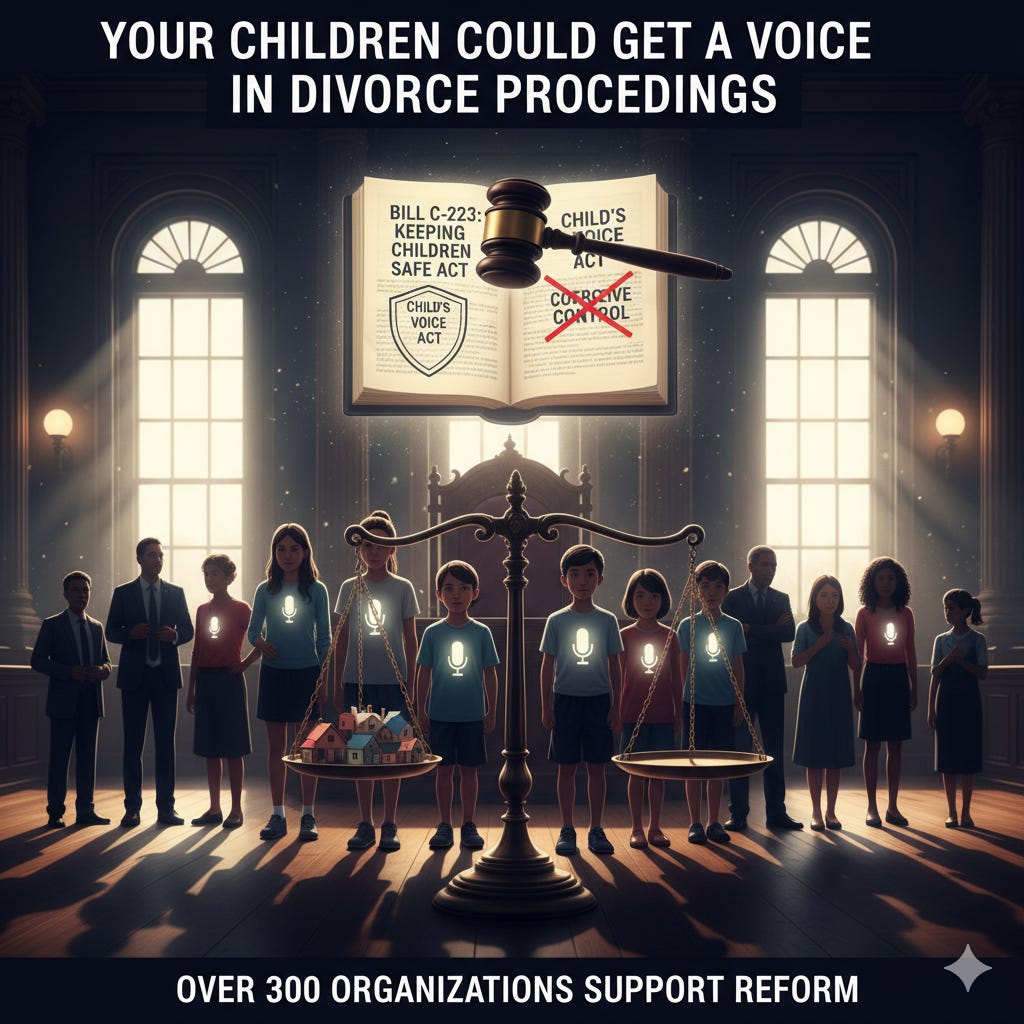
The bill also aims to stop what its sponsor calls the "egregious practice" of disregarding a child's views and preferences under the pretense that they have been manipulated by one parent. It would also prevent judges from forcing children to attend "reunification therapy" against their will or restricting time with one parent to improve the relationship with the other. Nearly 300 organizations have called for these types of reforms, which also align with conclusions from a United Nations special rapporteur.
Your Grocery Bill Could Become More Transparent
With food prices as a major concern for households, a private member's bill is proposing a national framework to improve price transparency at your local supermarket.
Bill C-226 would establish mandatory unit pricing across the country. Unit pricing breaks down the cost of a product by a standard unit of measurement, such as per 100 grams or per millilitre. This allows you to accurately compare the value of different package sizes and brands, which is often difficult to do when items are sold in various non-standard volumes.
The bill’s sponsor says the goal is to empower consumers with the tools to compare prices, make informed choices, and save money every time they shop.
A National Strategy for Attention Deficit Hyperactivity Disorder is Being Proposed
Attention Deficit Hyperactivity Disorder (ADHD) affects many Canadians, both children and adults. A new bill aims to fill a major gap in how the country supports people living with the condition.
Bill C-229 calls for the creation of a national framework for ADHD. The bill’s sponsor, who shared that her own son has ADHD, noted that there is currently no consistent strategy across the country to ensure doctors and teachers have the tools they need to diagnose, treat, and support people with the disorder.
Research shows that when people with ADHD have access to the right resources and services, the condition has minimal to zero effect on their outcomes. Without proper identification and treatment, however, their ability to succeed at school, work, and in relationships is often greatly diminished. The proposed framework would aim to coordinate efforts across the country to improve support for the millions of Canadians living with ADHD.
Your Natural Health Products Could Be Redefined
Eighty percent of Canadians use natural health products, according to one Member of Parliament. A new bill seeks to reverse recent government changes that altered how these products are regulated.
Bill C-224 aims to amend the Food and Drugs Act to restore the traditional definition of natural health products. The change is a response to a previous government bill (Bill C-47) that brought natural health products under the same regulatory definition as therapeutic products, a category that includes pharmaceutical drugs.
The bill’s sponsor stated that the industry and the public were overwhelmingly against this change during consultations. He argues that lumping these products in with those made by large pharmaceutical companies is inappropriate. Health Canada consultations reportedly received over 3,000 responses to the proposed changes, with only two in favour. This bill seeks to reverse that decision and separate the two categories once again.
Parliament Could Get a Vote on Trade Deals Before They Are Signed
Did you know your federal government can negotiate and sign international trade agreements without the text ever being debated or voted on in the House of Commons? A bill introduced by the Bloc Québécois aims to change this.
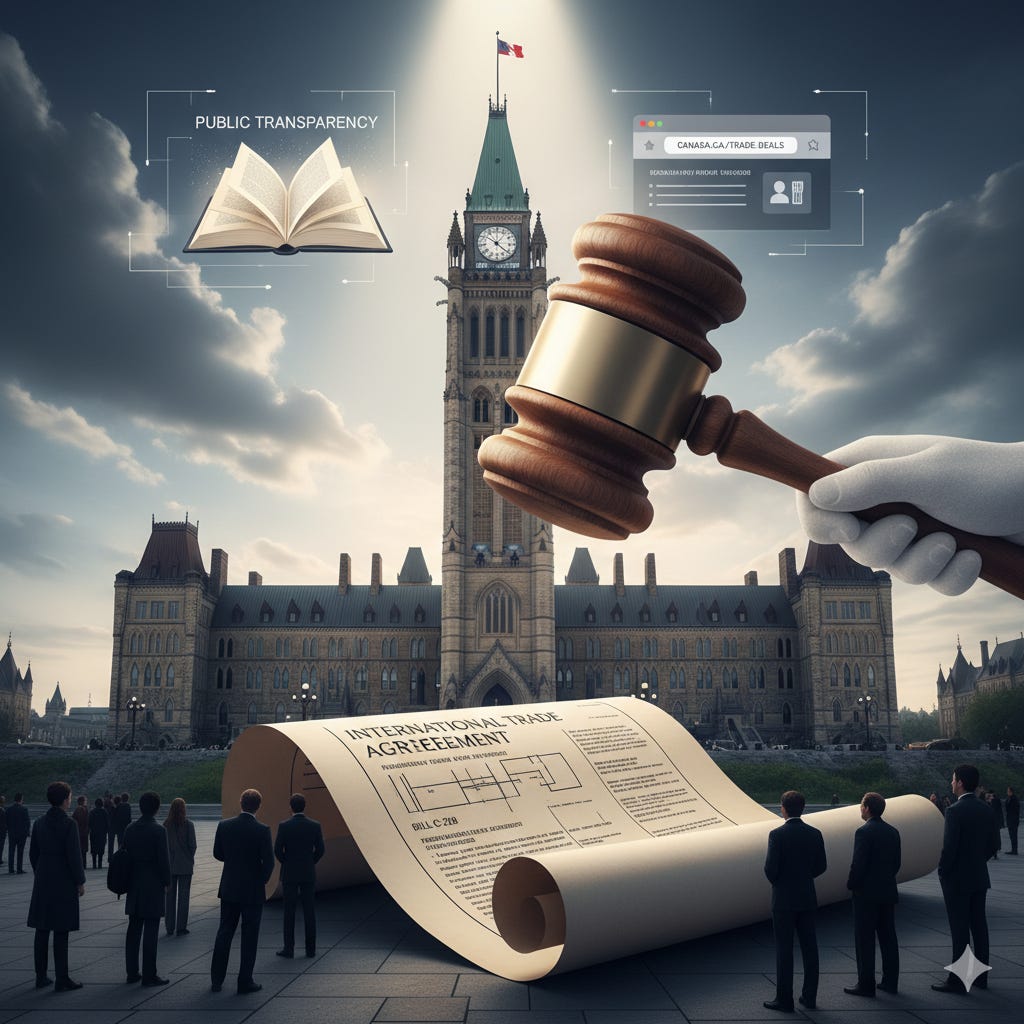
Bill C-228 would amend the act governing the foreign affairs department to require a prior review of treaties by Parliament. Currently, the government can unilaterally decide what is negotiated and has the power to sign treaties before their text is made public.
The bill proposes two main changes:
The government would be required to table the text of any trade agreement in the House of Commons for debate, committee examination, and a vote before it is ratified.
The government would also be required to publish the text of the agreement and any amendments on its website and in the Canada Gazette for greater public transparency.
The sponsor argues this strikes a balance between respecting the government's authority to enter into treaties and ensuring that elected officials and the public have the right to know what is in the agreements being signed on their behalf.
These proposals, all debated on a single day, show the complex and varied challenges facing the country. They range from highly personal issues affecting families in crisis to broad questions of criminal justice, consumer rights, and democratic transparency. While some of these bills will never become law, they represent a vital part of the national conversation. They are a reminder that the decisions made in Parliament are not just political noise, but have real and lasting consequences for you and your community.
These are just a few of the ideas currently under consideration. Which of them do you believe would make the most meaningful difference in your life?
Sources:
House of Commons. (2025, September 18). House of Commons Debates (Hansard), 45th Parliament, 1st Session, Vol. 152, No. 024.