


The room within the parliamentary precinct was quiet, but the numbers presented to the Standing Committee on Access to Information, Privacy and Ethics were deafening. It was October 6, 2025, and Nancy Bélanger, the Commissioner of Lobbying, sat before a collection of Members of Parliament who serve as the gatekeepers of Canadian integrity. While the atmosphere was polite, the data laid out on the table described a system under siege. The subject was federal lobbying reform, and the stakes involved nothing less than the public’s ability to know who is influencing their government.
Bélanger had not arrived empty-handed. She brought with her a statistical portrait of an industry that has exploded in scale. The era of the casual lunch or the unrecorded phone call is vanishing, replaced by a torrent of registered communications that has strained the resources of her office to their breaking point. In the fiscal year spanning 2023 to 2024, the Registry of Lobbyists recorded 34,488 monthly communication reports. The following year, the number remained staggering at nearly 31,077. These are not merely administrative figures. Each digit represents a point of contact between private interests and public power, a conversation where policy is shaped, funding is requested, or regulation is debated.
The sheer volume of this activity serves as the backdrop for a significant shift in how Ottawa monitors influence. The Commissioner was there to announce a tightening of the net. For years, a loophole known as the “significant part of duties” threshold allowed many corporate employees to lobby without registering, provided their advocacy did not consume a large portion of their work week. That is about to change.
The Avalanche of Influence
To understand the gravity of the Commissioner’s testimony, one must look at the trajectory of the industry. The Office of the Commissioner of Lobbying provided the committee with a stark visualization of the rise in activity. In April 2024 alone, there were over 6,000 active registrations. By the time Bélanger appeared before the committee in October 2025, the number of active lobbyists hovered near 7,300. This is the highest count ever recorded in the Registry.
The data reveals a relentless drumbeat of engagement. Government institutions are being inundated with requests. The House of Commons itself was the target of nearly 10,000 communication reports in the 2024-25 fiscal year. Innovation, Science and Economic Development Canada followed with nearly 3,000, while Finance Canada fielded over 2,000. These metrics paint a picture of a government machinery that is constantly being greased by external input.
The subject matter of these conversations offers a map of the anxieties and ambitions of the private sector. Economic development and the environment topped the list, generating over 13,000 reports combined. Industry, international trade, and taxation followed closely behind. Every major sector of the Canadian economy is currently engaged in a high-stakes wrestling match for the attention of Designated Public Office Holders.
This surge in volume has occurred alongside a rise in “grassroots” communication—appeals to the public to contact their representatives directly. In 2024-25, over 3,000 active registrations involved grassroots campaigns. This represents 34 percent of all registrations, signaling a shift in tactics. Lobbying is no longer just about the quiet meeting in a Deputy Minister’s office; it is about mobilizing the electorate to amplify the message.
Closing the Twenty Percent Loophole
The headline of the Commissioner’s appearance, however, was not the past but the future. For years, the Lobbying Act has contained a threshold that many transparency advocates found frustratingly porous. It stated that employees of corporations or organizations only needed to register if lobbying constituted a “significant part of their duties.” This was historically interpreted as 20 percent of their time.
In practical terms, this allowed a CEO or a senior executive to fly into Ottawa, spend a few intense days meeting with cabinet ministers, and never register a single interaction because those few days represented a fraction of their annual workload. The Commissioner informed the committee that this era of ambiguity is ending.
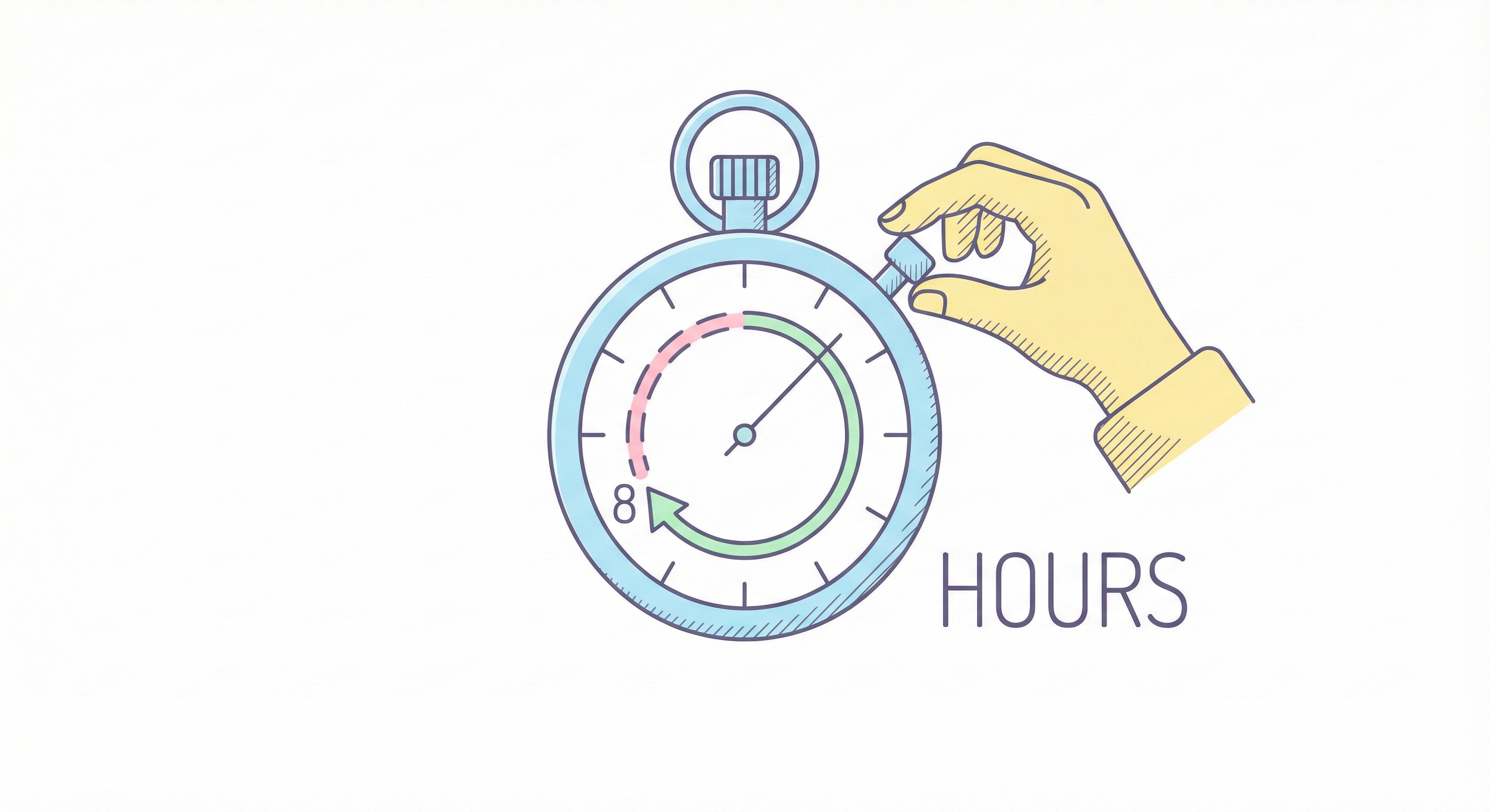
Bélanger has issued a new interpretation bulletin that redefines “significant part of duties.” Effective January 19, 2026, the threshold will no longer be a percentage. It will be a hard cap of 8 hours within four consecutive weeks.
This change is seismic for the regulatory landscape. It effectively captures the “low volume, high impact” lobbyist—the senior executive who does not lobby often, but whose few meetings carry immense weight. By lowering the bar from roughly 32 hours a month to just 8, the Office is casting a much wider net. Organizations and corporations that have previously flown under the radar will soon find themselves legally obligated to declare their activities.
The Commissioner was clear about the intent. The objective is to ensure that entities and corporations understand the new threshold so they can be compliant. It is a move toward absolute transparency, removing the mathematical gymnastics that previously allowed some actors to avoid scrutiny.
The Watchdog on a Shoestring
While the Commissioner’s ambition is expansive, her resources are critically limited. The financial overview presented to the committee revealed an office operating on the razor’s edge of viability. The total annual budget for the current fiscal year stands at approximately $6.4 million. On paper, this might seem sufficient for a small agency. In reality, it is a pittance compared to the multi-billion dollar industries it is tasked with regulating.
The breakdown of these funds highlights the precariousness of the situation. Nearly $4.9 million is consumed immediately by salaries and benefits for the roughly 35 employees who staff the office. This leaves an operating budget of only $1.5 million. From this remaining slice, the office must pay for everything else.
Roughly $700,000 flows back to other government organizations for essential services like human resources, finance, and procurement. The remaining $800,000 must cover the skyrocketing costs of IT infrastructure, legal services, and the investigations themselves.
The disparity is striking. The lobby registry is a digital fortress that requires constant maintenance, security upgrades, and development to handle the record-breaking volume of data being poured into it. Yet the architect of this fortress is working with a budget that has effectively flatlined while costs have soared. The Commissioner noted that the 2012 review of the Act did not result in changes, and she expressed a fervent hope that the current study by the ETHI committee would finally lead to legislative updates.
The Revolving Door and Ethical Lines
Beyond the sheer numbers and the budget woes, the Commissioner addressed the human element of influence: the movement of personnel between the public and private sectors. The “revolving door” is a perennial concern in Ottawa, where the expertise gained in government is highly valued by the industries that government regulates.
The Lobbying Act prohibits former Designated Public Office Holders from lobbying for a five-year period after leaving office. However, like the registration threshold, this rule has been subject to interpretation. The Commissioner announced a corresponding clarification for these individuals.
Under the new guidance, a former public office holder employed by a corporation is prohibited from lobbying if that activity exceeds the same 8-hour threshold in four consecutive weeks. This harmonizes the rules, ensuring that the restriction is not bypassed by the same “significant part of duties” argument that corporations use for registration.
This comes at a time when the political cycle is turning. With an election looming in April, the Office has already reached out to Members of Parliament who are not seeking re-election. The goal is to remind them that the day they cease to be MPs, the clock starts on their five-year ban. The Office is preemptively trying to prevent the ethical lapses that often occur during the chaotic transition of power.
A System at the Tipping Point
The testimony concluded with a mixture of pride and warning. Commissioner Bélanger highlighted the exceptional morale of her small team, noting that her office was one of only two organizations in the federal public service where 100 percent of employees declared it a “great place to work.” It is a testament to the dedication of a staff that punches well above its weight.
Yet, the tension in the room remained. The Office of the Commissioner of Lobbying is winning the moral battle but struggling with the logistical war. The volume of lobbying is at historical highs. The complexity of the files is increasing. The impending changes in January 2026 will likely trigger a fresh wave of registrations and inquiries, further taxing the limited capacity of the regulator.
As the MPs on the ETHI committee—including Chair John Brassard and Vice-Chairs Linda Lapointe and Luc Thériault—digested the briefing, the reality of the situation became clear. Transparency is not a passive state; it is an active, expensive, and labor-intensive process. Ottawa is a city of conversations, and as those conversations multiply, the cost of listening is going up.
The new 8-hour rule draws a line in the sand, promising a clearer view of who is shaping the nation’s future. But without the legislative teeth and financial muscle to back it up, the watchdog remains on a short leash, barking at a caravan that grows larger by the day.

Source Documents
Office of the Commissioner of Lobbying of Canada. (2025, October 6). Opening Remarks: Nancy Bélanger, Commissioner of Lobbying.
Office of the Commissioner of Lobbying of Canada. (2025, October 6). Fact Sheet: Members of the ETHI committee.
Office of the Commissioner of Lobbying of Canada. (2025, October 6). Fact Sheet: Compliance.
Office of the Commissioner of Lobbying of Canada. (2025, October 6). Fact Sheet: Main Estimates Overview Finances and HR.
Office of the Commissioner of Lobbying of Canada. (2025, October 6). Fact Sheet: Stats from the Registry.
Office of the Commissioner of Lobbying of Canada. (2025, October 6). Fact Sheet: Communications and Engagement.
Thank you, Hansard, for providing this information. While many article writers concentrate on the flashier topics of the Canadian “scene scape”, you cover the vital inner workings of government rarely noticed by the public.